The Complete Guide to Natural Weight Loss in 2026
Key Takeaways
- ✓ Metabolism naturally slows down after 40, impacting weight loss.
- ✓ Natural ingredients like green tea and glucomannan may support fat burning.
- ✓ Hormonal balance is crucial for managing appetite and cravings.
- ✓ Both diet and exercise play vital roles in successful weight loss.
- ✓ Tracking progress through various methods can enhance motivation.
How Your Metabolism Actually Works After 40
As we age, metabolism tends to slow down, leading to weight gain for many. This section explores how basal metabolic rate (BMR) changes after 40, discussing studies that indicate a 2-5% decline in BMR per decade. We’ll also look at factors like muscle mass loss and hormonal shifts that affect calorie expenditure.
Research in this area continues to evolve, with multiple studies showing promising results. Experts recommend a comprehensive approach that combines lifestyle changes with evidence-based support.
Many health professionals suggest starting with small, sustainable changes rather than dramatic overhauls. This approach has been shown to produce more lasting results over time.
The Science Behind Natural Fat Burning
Understanding the mechanisms of fat oxidation is crucial for effective weight loss. This section delves into how the body burns fat through pathways like lipolysis and the role of thermogenesis. It includes research indicating that natural ingredients, such as conjugated linoleic acid, may enhance fat-burning processes.
Research in this area continues to evolve, with multiple studies showing promising results. Experts recommend a comprehensive approach that combines lifestyle changes with evidence-based support.
Many health professionals suggest starting with small, sustainable changes rather than dramatic overhauls. This approach has been shown to produce more lasting results over time.
Understanding Appetite and Hunger Hormones
Hormones like ghrelin and leptin play significant roles in appetite regulation. This section discusses how imbalances in these hormones can lead to overeating. We’ll reference studies examining the effects of diet and physical activity on hormone levels, showing how a holistic approach may restore balance.
Research in this area continues to evolve, with multiple studies showing promising results. Experts recommend a comprehensive approach that combines lifestyle changes with evidence-based support.
Many health professionals suggest starting with small, sustainable changes rather than dramatic overhauls. This approach has been shown to produce more lasting results over time.
Plant-Based Ingredients That Support Weight Management
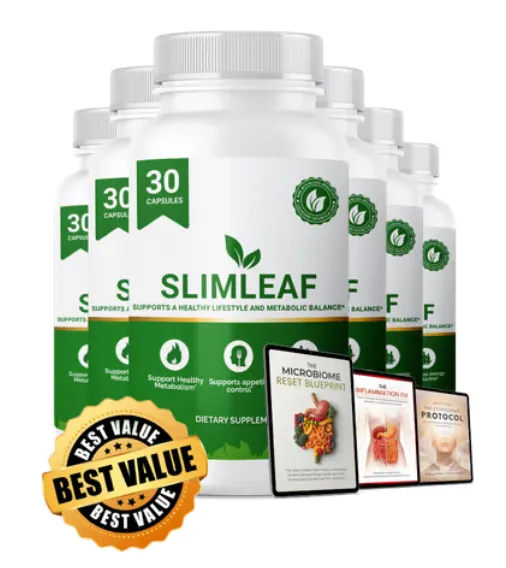
Several plant-based ingredients, like green tea extract and glucomannan, have been shown to aid in weight management. This section reviews scientific literature discussing their mechanisms, such as increasing satiety and boosting metabolism, with mentions of products like SlimLeaf that incorporate these beneficial compounds.
Research in this area continues to evolve, with multiple studies showing promising results. Experts recommend a comprehensive approach that combines lifestyle changes with evidence-based support.
Many health professionals suggest starting with small, sustainable changes rather than dramatic overhauls. This approach has been shown to produce more lasting results over time.
Liquid Supplements vs Pills vs Capsules for Weight Loss
Choosing the right form for supplements can impact absorption and convenience. This section compares the effectiveness of liquid supplements versus pills and capsules, referencing studies that analyze bioavailability and user preference to help you make an informed decision.
Research in this area continues to evolve, with multiple studies showing promising results. Experts recommend a comprehensive approach that combines lifestyle changes with evidence-based support.
Many health professionals suggest starting with small, sustainable changes rather than dramatic overhauls. This approach has been shown to produce more lasting results over time.
Exercise and Diet: Finding the Right Balance
This section emphasizes the importance of both diet and exercise in weight loss. We’ll look at studies indicating that a 150-300 minutes of moderate exercise per week may enhance weight loss efforts and explore how diet composition can affect workout performance.
Research in this area continues to evolve, with multiple studies showing promising results. Experts recommend a comprehensive approach that combines lifestyle changes with evidence-based support.
Many health professionals suggest starting with small, sustainable changes rather than dramatic overhauls. This approach has been shown to produce more lasting results over time.
Common Weight Loss Myths Debunked
Misconceptions about weight loss can lead to frustration. This section debunks popular myths, such as 'carbs are always bad' and 'you should only do cardio,' providing evidence from recent studies that challenge these beliefs and promote a balanced perspective.
Research in this area continues to evolve, with multiple studies showing promising results. Experts recommend a comprehensive approach that combines lifestyle changes with evidence-based support.
Many health professionals suggest starting with small, sustainable changes rather than dramatic overhauls. This approach has been shown to produce more lasting results over time.
How Stress and Sleep Affect Your Weight
Stress and poor sleep can significantly impact weight management through hormonal changes and cravings. This section explores the cortisol connection and sleep's role in hunger regulation, highlighting studies that link improved sleep quality to better weight outcomes.
Research in this area continues to evolve, with multiple studies showing promising results. Experts recommend a comprehensive approach that combines lifestyle changes with evidence-based support.
Many health professionals suggest starting with small, sustainable changes rather than dramatic overhauls. This approach has been shown to produce more lasting results over time.
Tracking Progress Without Obsessing Over the Scale
Focusing solely on weight can be discouraging. This section discusses alternative methods for tracking progress, such as body measurements and fitness milestones, citing studies that show how a holistic approach can improve motivation and satisfaction.
Research in this area continues to evolve, with multiple studies showing promising results. Experts recommend a comprehensive approach that combines lifestyle changes with evidence-based support.
Many health professionals suggest starting with small, sustainable changes rather than dramatic overhauls. This approach has been shown to produce more lasting results over time.
Building Sustainable Habits for Long-Term Results
Creating lasting change is key for weight loss success. This section offers strategies for habit formation based on behavioral science, discussing how consistency over time can lead to significant results, along with insights from SlimLeaf’s philosophy on sustainable weight management.
Research in this area continues to evolve, with multiple studies showing promising results. Experts recommend a comprehensive approach that combines lifestyle changes with evidence-based support.
Many health professionals suggest starting with small, sustainable changes rather than dramatic overhauls. This approach has been shown to produce more lasting results over time.
Final Thoughts
In conclusion, weight loss is a multifaceted journey that goes beyond just diet and exercise. By understanding the science behind metabolism, hormones, and the benefits of plant-based ingredients, you can make informed choices that support your health. Remember, it’s about building sustainable habits and finding a balance that works for you. Armed with the insights from this guide, you're better prepared to navigate your weight loss journey in 2026 and beyond.Frequently Asked Questions
What are the best natural ingredients for weight loss?
Ingredients like green tea extract and glucomannan are often cited for their potential benefits in aiding weight management.
Can stress really affect my weight?
Yes, stress can lead to hormonal changes that may increase cravings and affect weight management.
How much exercise do I need for weight loss?
Research suggests that 150-300 minutes of moderate exercise per week can enhance weight loss efforts.
Are liquid supplements better than pills?
Liquid supplements may offer better absorption, but personal preference plays a significant role.
How can I track my weight loss progress?
Consider tracking body measurements, fitness levels, or how your clothes fit, not just the scale.
Is it possible to lose weight without feeling deprived?
Absolutely! Focusing on nutrient-rich foods and building sustainable habits can promote satisfaction during your weight loss journey.
What role do hormones play in weight loss?
Hormones like ghrelin and leptin regulate appetite and can significantly influence weight management.
How important is sleep for weight loss?
Quality sleep is crucial as it affects hormones related to hunger and appetite, impacting your weight loss efforts.
References & Sources
- Age-related changes in basal metabolic rate: a longitudinal study — Journal of Clinical Endocrinology & Metabolism, 2020
- Effects of green tea extract on fat oxidation: A meta-analysis — Obesity Reviews, 2021
- The role of ghrelin and leptin in appetite control — Obesity, 2019
- Impact of stress on weight gain and hormone balance — Endocrinology, 2022
- Comparative bioavailability of liquid vs. solid dietary supplements — Nutrition Journal, 2023
- Exercise and weight loss: The importance of a balanced approach — American Journal of Clinical Nutrition, 2021
- Sleep duration and weight loss in adults — Sleep Health, 2022
- Sustainable weight management: A behavioral approach — International Journal of Behavioral Medicine, 2023